You can lose money faster on a Tuesday night than most folks expect. A machine that looks kind to the eye can drain fifty bucks before the next tram arrives. That little shock is what sends a lot of Adelaide regulars hunting for the top rated AUD pokie machines real money, because the old pub rhythm does not always translate to a screen. I spend my days sorting numbers for iGaming operators and tax offices, so I tend to watch the clock before I watch the reels.
Something has shifted in the last few years, and it is not just the graphics getting flashier. The market has moved toward faster play, clearer paytables, and AUD-denominated accounts that settle in Australian dollars without a currency detour. If you have spent years feeding coins into a local bar machine, the jump online feels less like a new game and more like a new set of rules you did not sign up for.
What changed in the local market

The biggest change is speed and structure, not luck. Developers now ship titles that load quicker, pay in AUD by default, and show the maths on the screen before you commit a cent. That matters for anyone used to a pub machine where the only clue is a sticker on the side and a mate’s guess.
I once watched a player at a Hindley Street venue press spin a dozen times in the time it took my coffee to go cold. He was not chasing a jackpot so much as chasing the feel of a quick outcome, and the online versions now cater to that pace deliberately. If you want the same quick hit without the walk home, you need to know which titles actually pay in Australian dollars and which ones quietly convert everything behind your back.
The market has also split into clearer tiers. Some machines are built for frequent small returns, others for longer dry spells and bigger headline numbers. Neither is inherently better, but they suit different bankrolls and different moods, which is the first thing most new online players miss.
How to judge a pokie before you deposit
Start with the paytable and the volatility label, because those two things tell you more than a glossy banner ever will. A low-variance title tends to return smaller amounts more often, while a high-variance one can sit quiet for a long stretch before a larger cluster lands. Neither style guarantees anything, and the gambler’s ruin theorem shows that a gambler betting against an infinitely rich house will eventually go broke, so the whole exercise is about managing pace and exposure rather than finding a sure thing.
I usually tell people to treat a session like a small project budget rather than a night out. Decide the amount you are willing to spend, set a stop point before you open the lobby, and treat anything beyond that as entertainment you have already paid for. Say you deposit fifty dollars and plan to walk away when that is gone or when you have doubled it, you have turned a vague impulse into something you can actually measure.
A second check is the return-to-player figure, which is the percentage a machine is designed to pay back over a very large number of spins. That number is a long-run expectation, not a promise for your Tuesday night, so a ninety-six percent title can still leave you empty-handed over a single session. The useful habit is to compare titles by that figure and by how often you want a result, not by which one has the loudest soundtrack.
AUD, time zones and the late-night factor
Money mechanics matter more online than they did behind the bar. When an account is denominated in AUD, you are not watching exchange rates creep while you play, and that keeps the maths closer to what you see on the screen. The trade-off is that not every title supports the same deposit and withdrawal paths, so a machine can look right on the reels and still be awkward on the payouts.
Time zones change the feel of a session in ways people do not expect. AEST and AWST sit three hours apart, which means a late-night run in Perth is a different hour than a late-night run in Adelaide or Sydney. I have seen players start a session at one in the morning local time and keep going long past the point where a tired brain makes the same call it would at dawn, and that is where the pace of a fast online title can bite.
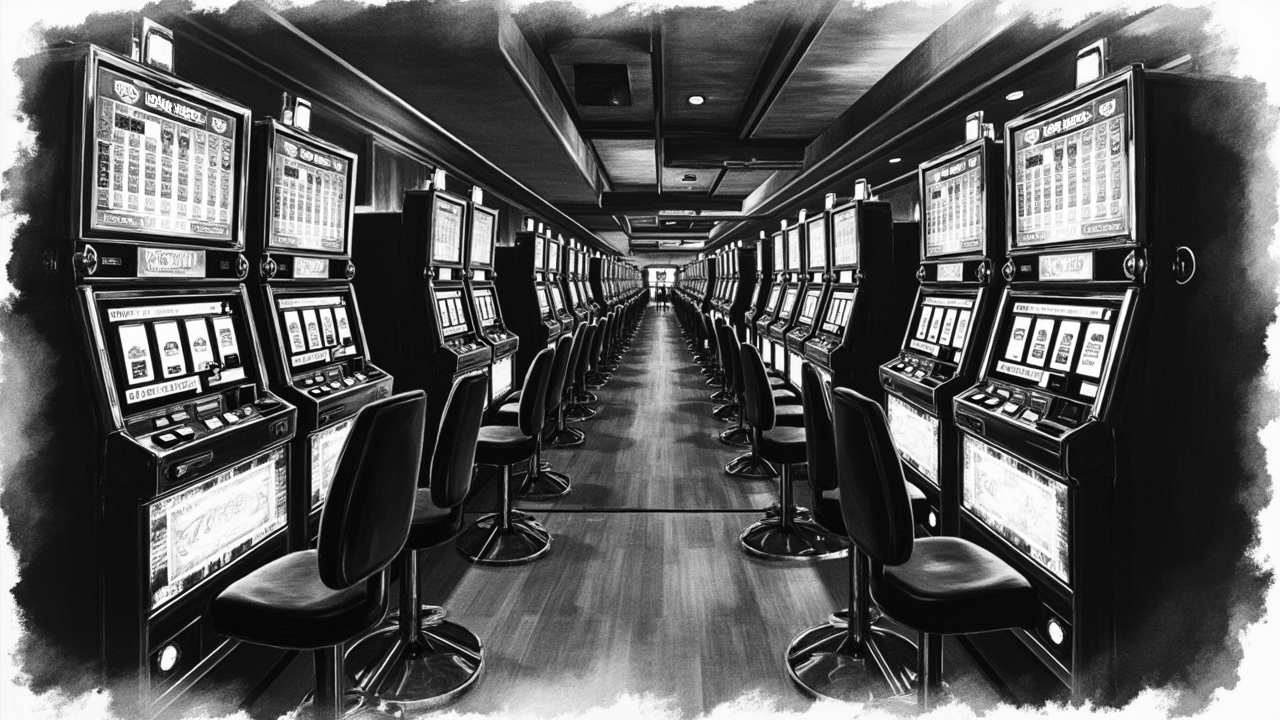
If you are the sort who likes a late feed and a quiet hour after the crowd goes home, pick a title that matches your attention span rather than one that simply flashes the brightest. The practical move is to test a machine in a short session first, note how quickly it resolves each spin, and decide whether that rhythm suits your head before you put a serious amount in.
Offshore lists and the operator-side view
The offshore side needs a clear head, because the local regulator has drawn some hard lines. Australia’s ACMA maintains a list of prohibited offshore gambling operators, and that list is the sort of thing you want to check before you hand over card details to a site you have never used. An operator can look polished and still sit on the wrong side of that list, which is the boring reason a lot of flashy rooms get shut out.
From an operator and finance angle, the question is not just whether a machine pays out but whether the whole setup is honest about odds, terms and settlement. I look for clear paytables, readable terms on withdrawals, and a lobby that does not hide the maths behind animations. A tidy lobby and a clear AUD settlement path tell you more about a room than a big welcome bonus ever will. Screenhub
A short exchange I had with a mate at a North Adelaide table made the point plain. He asked whether a flashy new title was any good, and I asked him what he wanted from it, because the question was really about pace and budget rather than the name on the marquee. He wanted quick results without a long dry spell, so the right pick was a lower-variance machine rather than the one with the loudest bonus round.
- Check the paytable before the first spin and note the volatility label
- Decide a session amount and a stop point before you open the lobby
- Prefer titles that settle in AUD without a currency detour
- Compare return-to-player figures across similar titles rather than chasing banners
- Test a new machine in a short session before committing a serious amount
- Keep a note of how fast each spin resolves and whether that suits your head
- Avoid sites that sit on the ACMA prohibited offshore gambling operators list
If you want a closer look at how a specific title plays before you stake anything, the money train 3 demo is a useful way to watch the rhythm without opening your wallet. It lets you see the pace and the pay patterns in a no-stakes setting, which is exactly the sort of dry run I suggest before a real session.
- Pick a title whose volatility matches the way you want to play
- Set a hard stop point for the session before you deposit
- Use AUD-denominated accounts to keep the maths readable
- Check the paytable and return-to-player figure side by side
- Treat a welcome offer as a small extra, not the reason to play
- Note the withdrawal path and timing before you put money in
- Stick to rooms that make their terms and settlement clear
For a broader look at how local operators and screen-based entertainment overlap, ScreenHub has covered the way Aussie digital habits keep shifting, which is worth a glance if you want context beyond the machines themselves. money train 3 demo
The real test is whether a machine suits your budget, your attention span and your local hour, not whether it looks the loudest on the lobby page. Pick a title that pays in AUD, check the maths before you commit, and treat the session like a planned amount of entertainment rather than a way to make money. If you do that, the move from the pub floor to a screen is less of a gamble with your head and more of a choice you can actually live with.